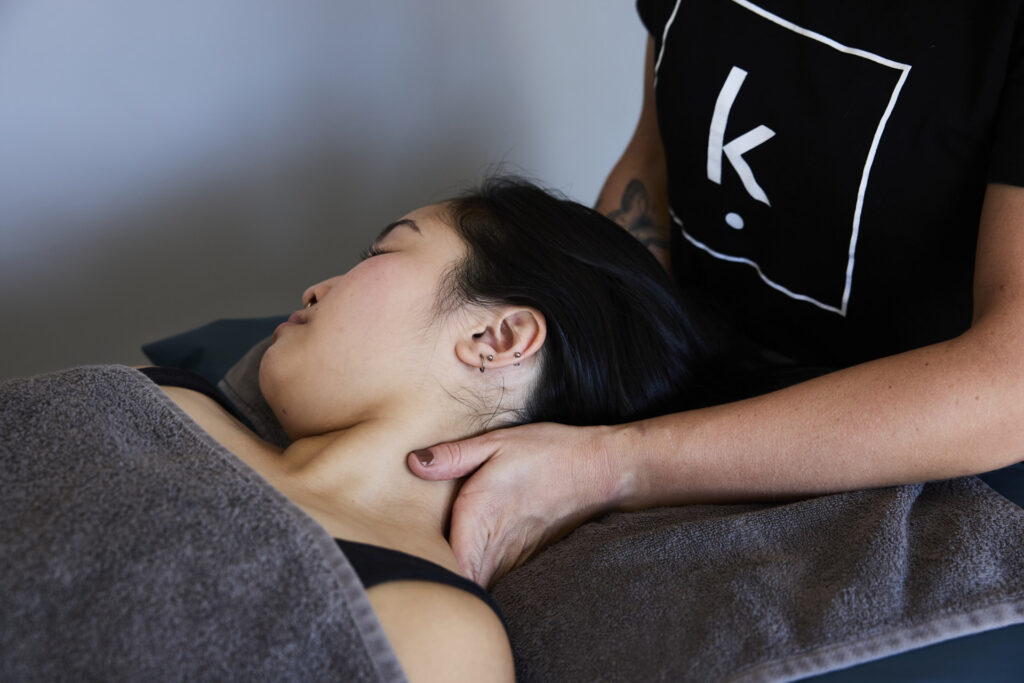
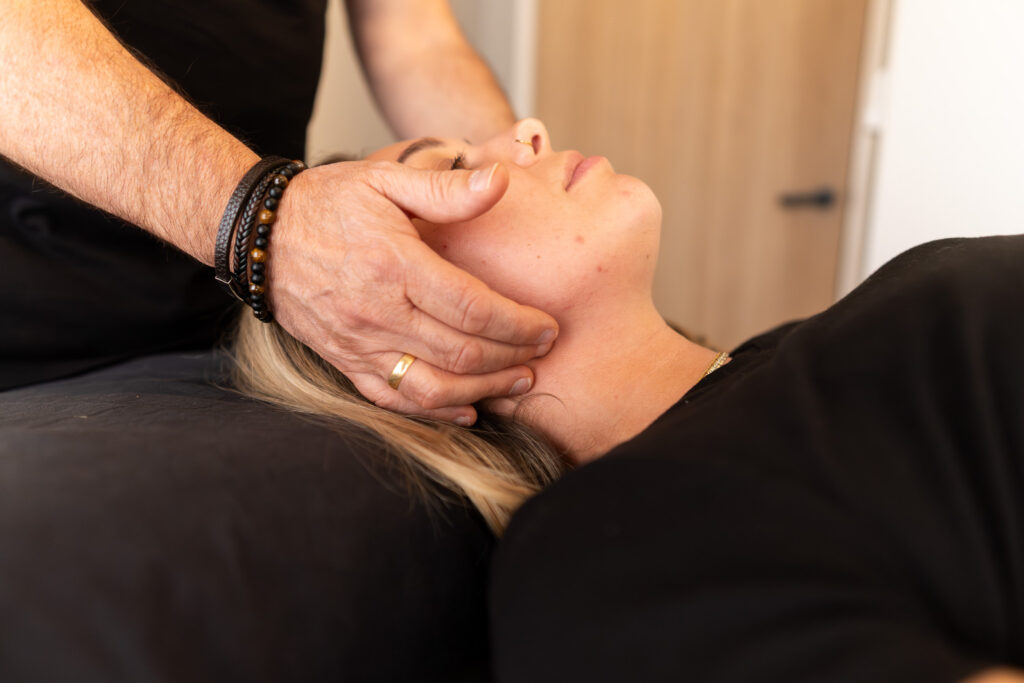
Somatic Pilates
Trauma-informed Somatic Pilates & Somatic Movement in Richmond
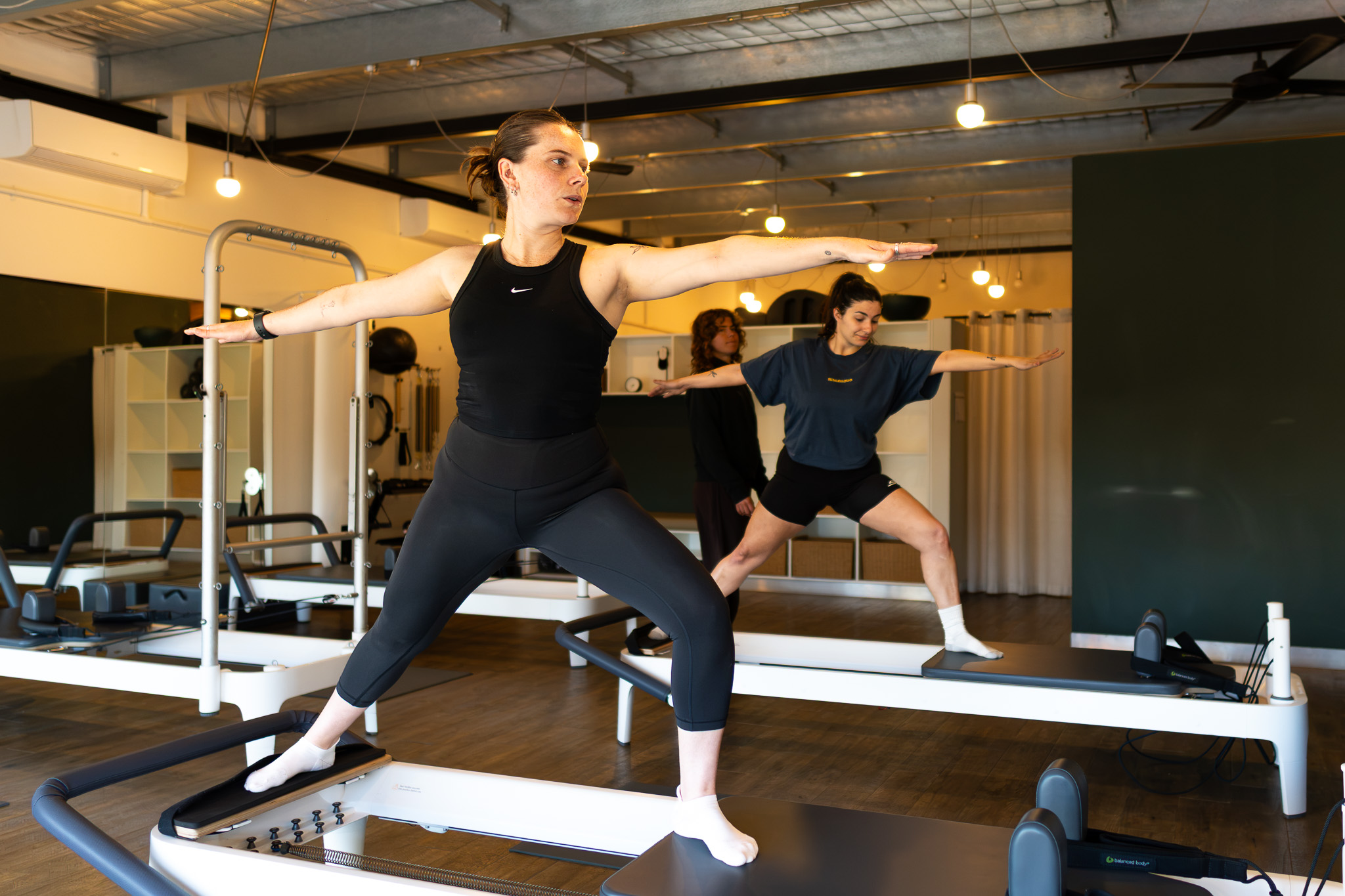
Tailored Somatic Pilates in Richmond
Feel more connected, confident and at ease in your body.
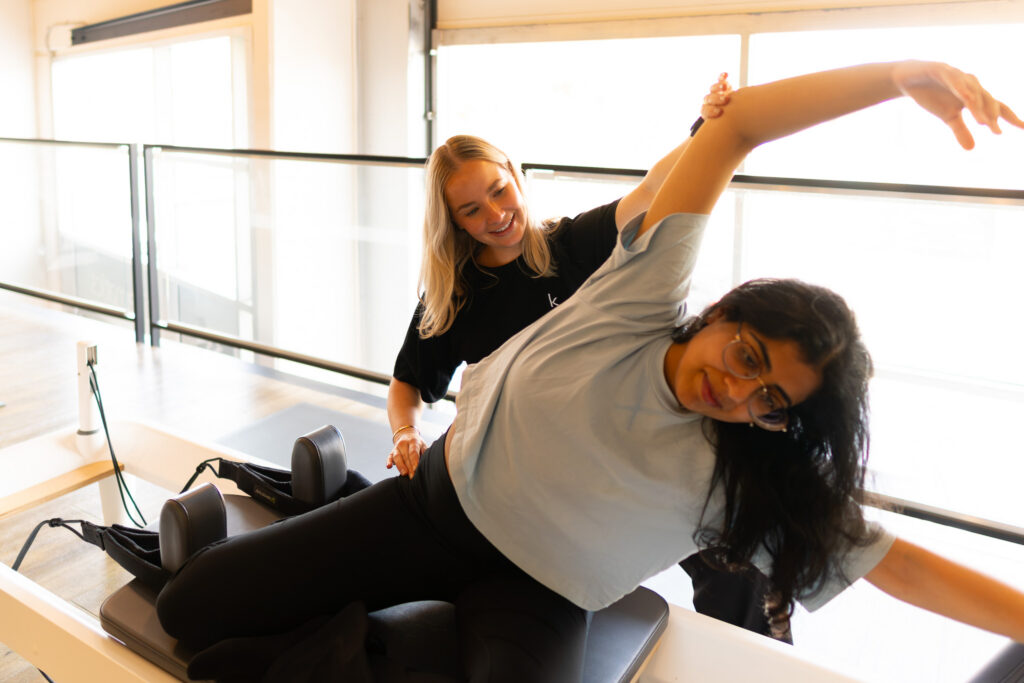
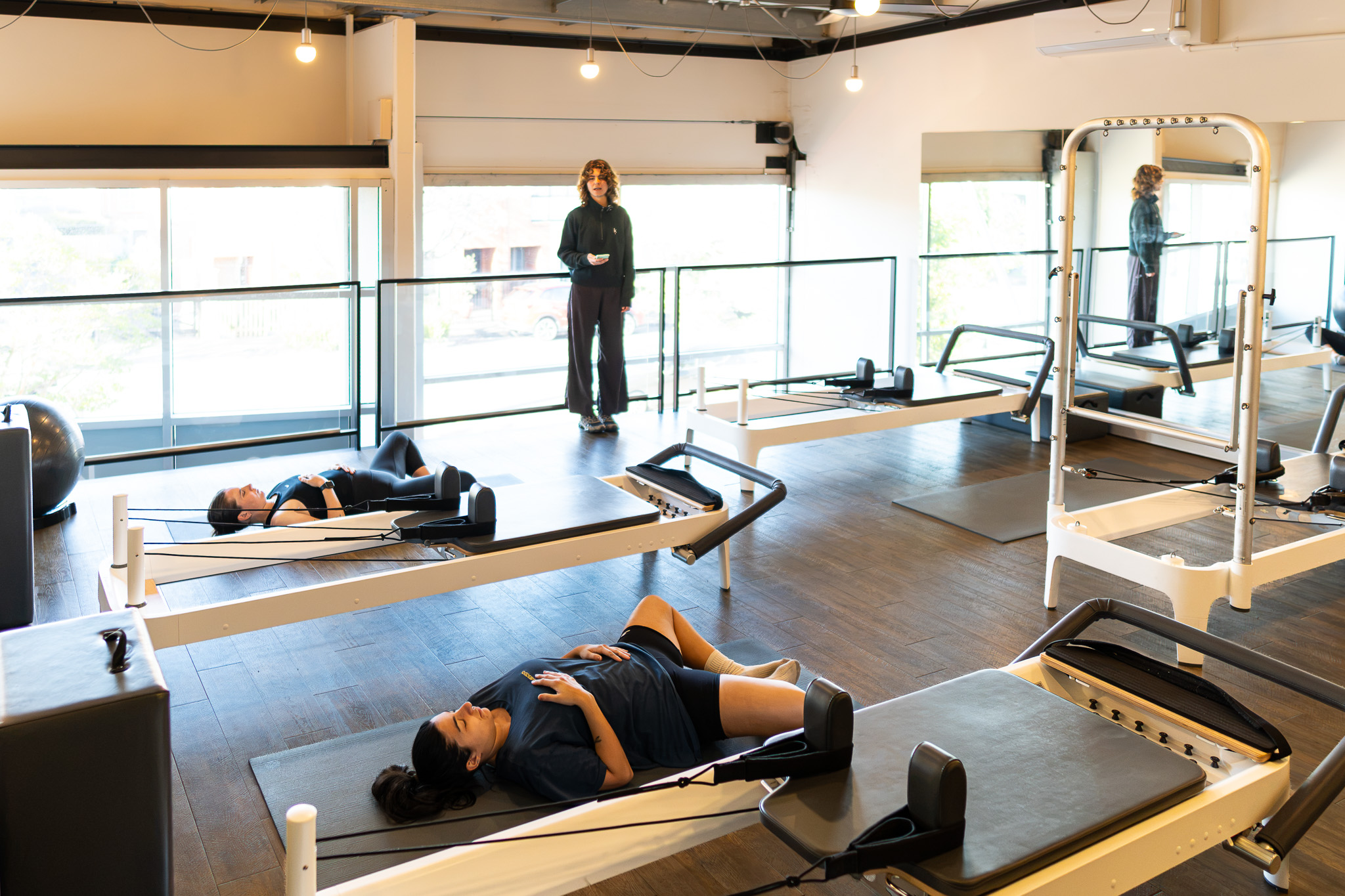
Our personalised Somatic Pilates sessions combine mindful movement with premium Pilates equipment to support mobility, body awareness, nervous system regulation and overall wellbeing.
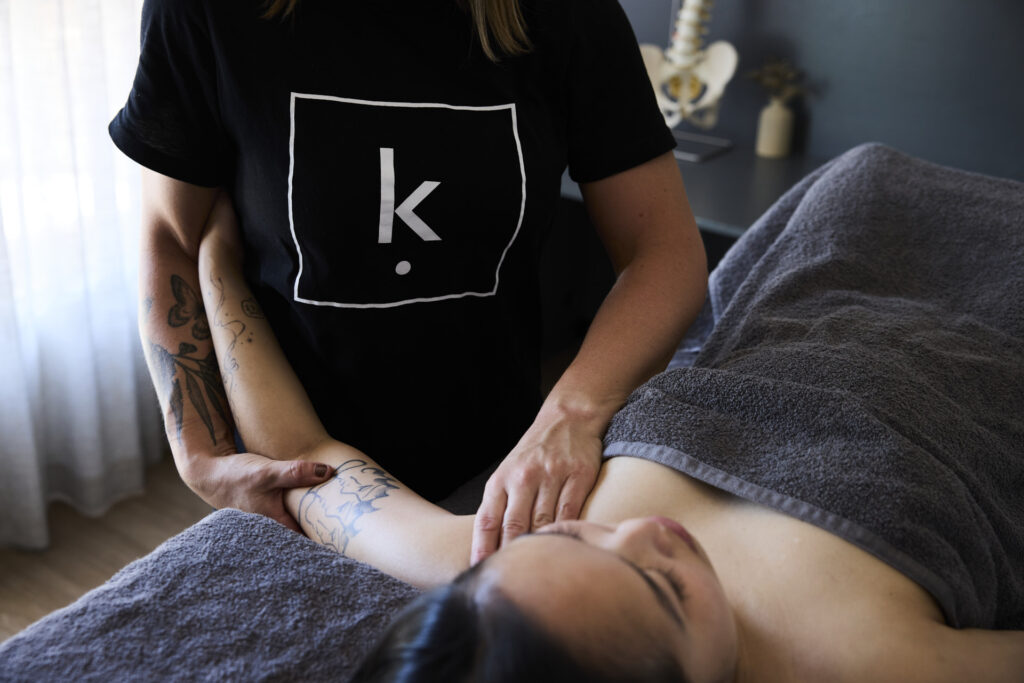
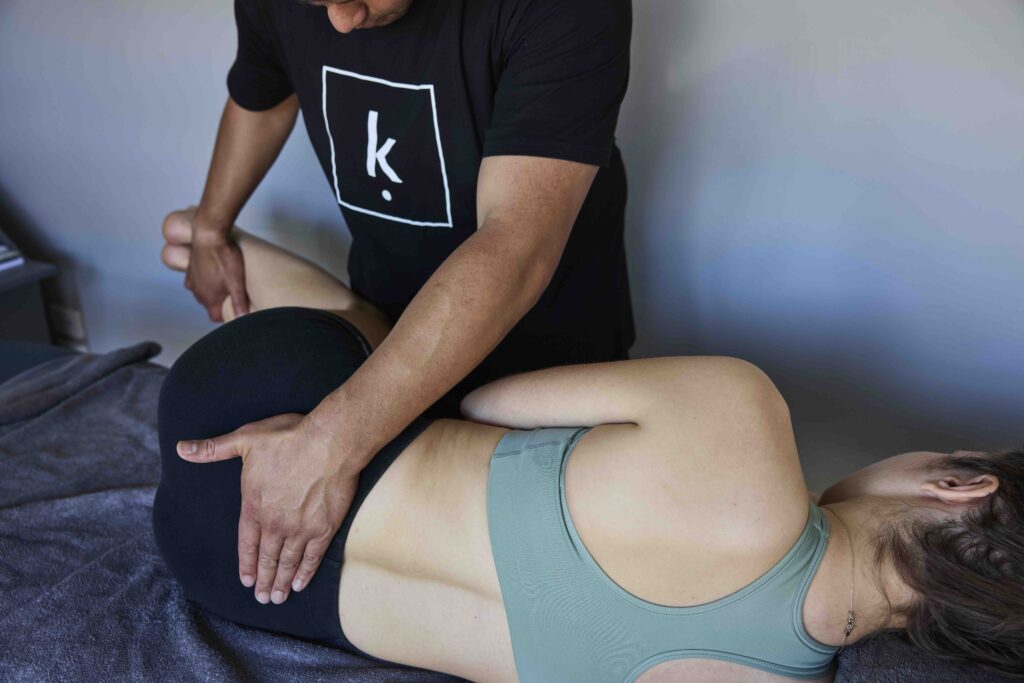
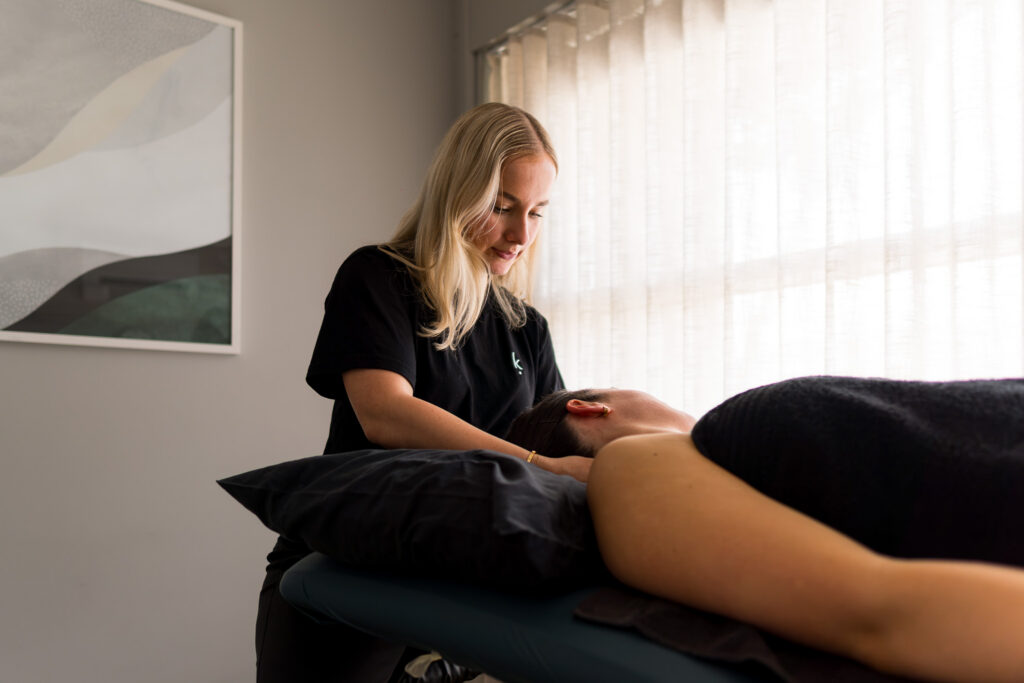
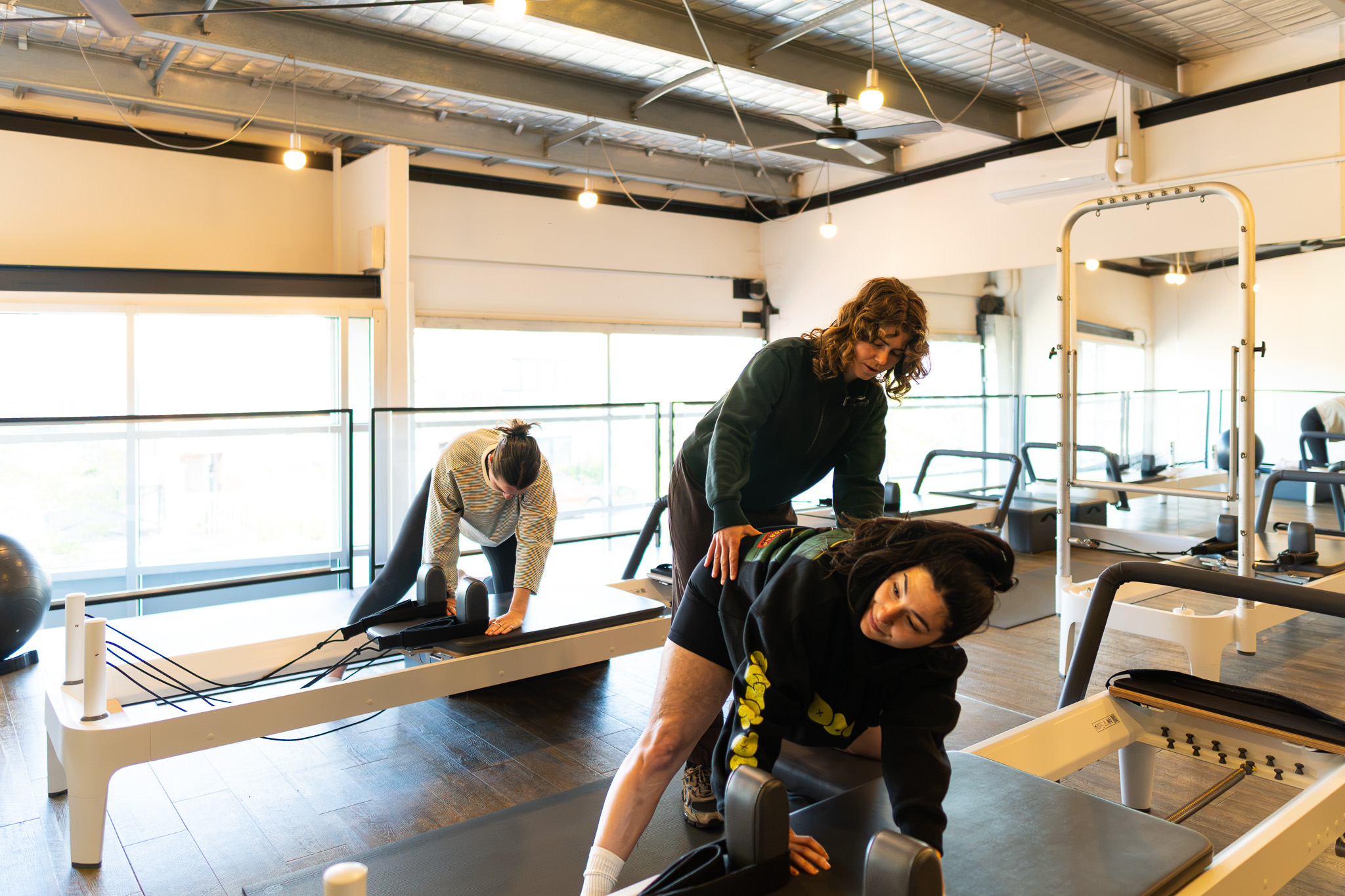
Your practitioner will begin with one or two individual appointments to understand your needs and create a tailored somatic movement program. Once you are comfortable with your exercises, you can continue in our small and supportive classes of no more than five people.
What is Somatic Pilates?
Somatic Pilates is a slower, more body-aware approach to mindful movement.
It combines elements of Pilates with somatic movement practices that encourage you to pay attention to how your body feels and moves. Rather than pushing through a set sequence or trying to achieve the “perfect” position, you will be guided to explore comfortable, controlled movement at your own pace.
Classes may incorporate gentle mobility exercises, breathwork, body awareness and Pilates-inspired mindful exercises to help you better understand your individual movement patterns.
Somatic Pilates may be particularly valuable if you are looking for a gentler way to return to movement, manage tension or complement your existing exercise and rehabilitation routine.
Potential Benefits of Somatic Pilates and Mindful Movement
Somatic Pilates may help you:
- Release muscular tension and habitual bracing
- Feel calmer, safer and more grounded in your body
- Recognise and respond to physical signs of stress
- Support nervous system regulation
- Rebuild body awareness, trust and confidence
- Improve gentle strength, mobility and coordination
Somatic Pilates combines slow somatic movement, breathing and attention to physical sensations. This mindful movement may help you recognise patterns of tension, feel more grounded and practise moving between activation and relaxation. Like other somatic practices, the approach encourages choice and avoids forcing the body into particular positions or states.
Somatic Pilates may provide a gentle, body-based complement to trauma recovery by using somatic movement and mindful exercises to support body awareness, personal choice and a greater sense of safety during movement. It is not a treatment for trauma and should not replace psychological or medical care.
A trauma-informed approach to somatic practices recognises that past experiences can affect how movement, physical sensations and exercise environments feel. Our Somatic Pilates sessions prioritise clear communication, predictability, personal choice and respect for individual boundaries. You are encouraged to pause, modify or decline any mindful exercise or movement that does not feel right for you.
We have both osteopaths and physiotherapists leading our Somatic Pilates classes in Richmond.
1:1 Somatic Pilates sessions are claimable, however our 1:5 small-group classes are only claimable with private health if the class is being conducted by one of our physiotherapists.
If you are intending to claim a private health rebate, we recommend checking with your private health insurer prior to booking your initial session, so you can select the appropriate clinician.
Our Somatic Pilates 5 packs have a 3 month expiry from date of purchase.
You are always welcome to slow down, rest or stop. Your practitioner can offer different mindful movement options or adapt your somatic exercising to suit you, but you remain in control of what you choose to participate in.
No. You are not required to disclose the details of any past experiences. You are welcome to share any information, preferences or boundaries that would help your practitioner create a more comfortable somatic movement experience for you, without explaining why.
No. Somatic Pilates is a mindful movement service grounded in somatic practices, not psychological treatment. It may complement care from a psychologist, counsellor, GP or other healthcare professional, but it should not replace appropriate mental health support.