Women’s Health Physio
Pre and Post-Natal Physiotherapy in Richmond

Women's Health Physiotherapy
At Kinematics, our Women’s Health Physiotherapists deliver comprehensive, evidence-based care in a supportive, safe, and understanding environment. We work with women at every stage of life — from pregnancy and post-partum recovery to managing pelvic floor concerns, as well as navigating the physical changes and pain associated with perimenopause and menopause. Our aim is to help you feel informed, confident, and more in control of your body.
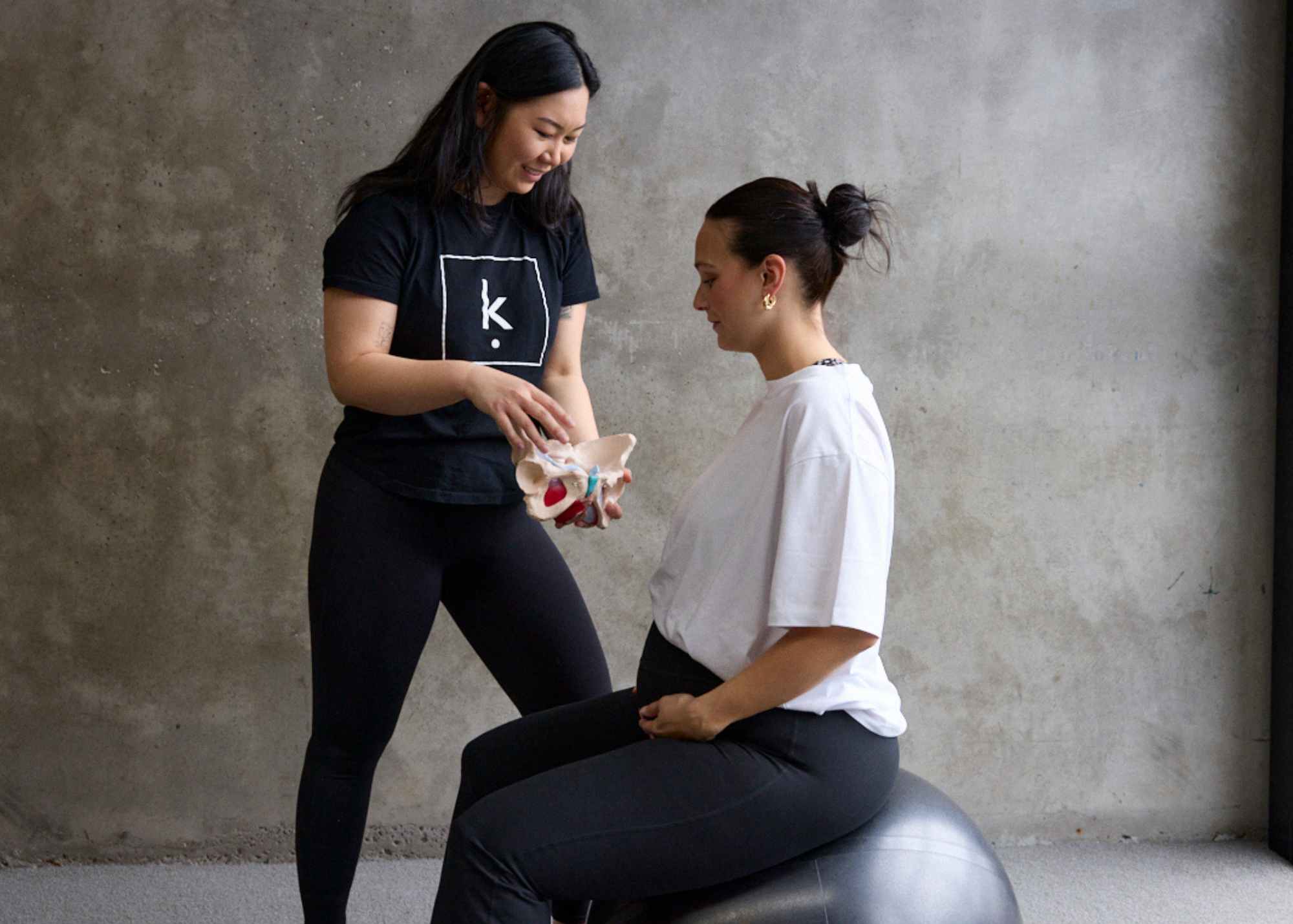
Women's Health Services
Our Women’s Health Physiotherapy service supports a wide range of pelvic health concerns, including:
-
Bladder or bowel incontinence
-
Pelvic floor weakness or overactivity
-
Pelvic organ prolapse
-
Pelvic pain
-
Pre- and post-natal care
- Return to exercise and sport
-
Hip, shoulder and other joint pain related to perimenopause and menopause
-
Preventative training for optimal bone health
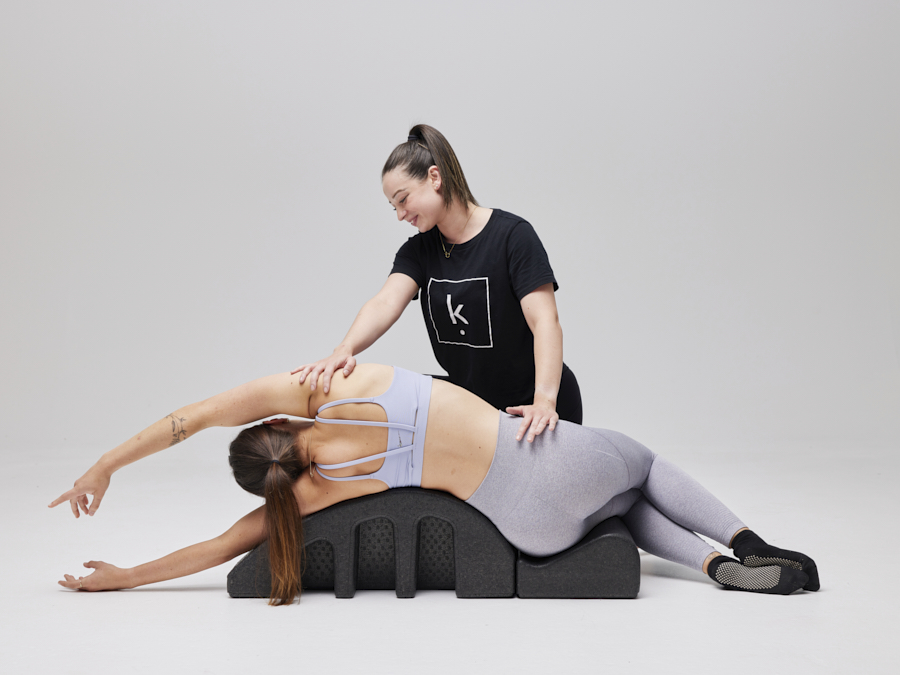
Pelvic Physiotherapy
Pelvic physiotherapy is a key and often overlooked part of managing endometriosis, PCOS, and adenomyosis. Ongoing pain can cause the pelvic floor, abdominals, hips, and lower back to become overactive and protective, which can amplify symptoms and impact daily life.
We help by:
- Releasing overactive pelvic floor and surrounding tissues
- Teaching practical self-management strategies
- Guiding safe, progressive exercise tailored to your body
- Supporting you to work with your cycle, not against it
Our goal is to reduce pain, restore confidence, and give you the tools to live and move well with endo, PCOS, or adeno.
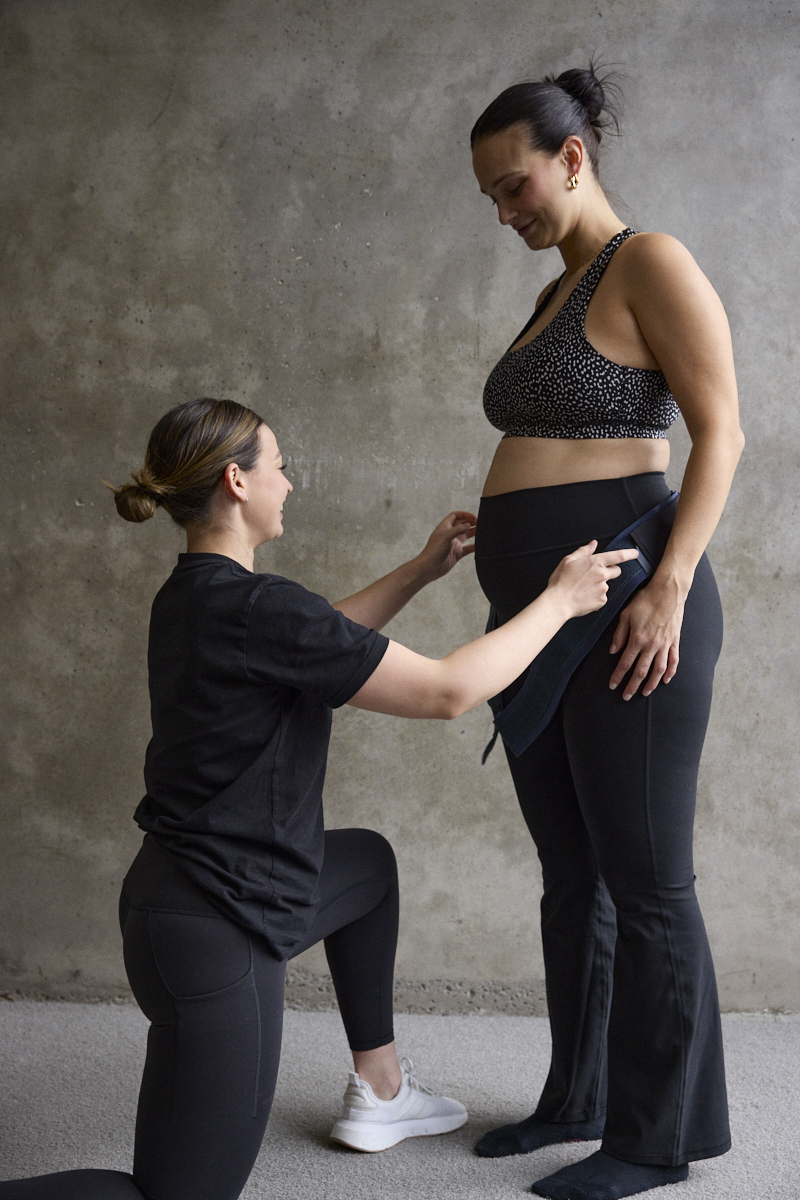
NEW: Women's Physio In-Home Visits
Our Post-Natal Home Visit supports you in the early weeks after birth, with appointments available from 2–3 weeks post-natal — so you can prioritise recovery without leaving home. Rather than waiting for the 6-week check once discomfort has developed, this proactive approach focuses on early support and prevention. During your home visit, your physiotherapist will:
-
Complete a subjective assessment to allow you to discuss the birth and any initial concerns
-
Assess and manage any early discomfort or musculoskeletal “niggles”
-
Guide you through optimal feeding, settling, and resting positions
-
Provide advice on safe lifting, holding, and carrying techniques
-
Assess for abdominal separation (diastasis recti)
-
Begin abdominal rehabilitation, focusing on early activation and functional recruitment of your deep core muscles
-
Provide guidance on safe return to walking and gentle exercise
-
Offer advice regarding compression garments where appropriate
This appointment does not include an internal pelvic floor examination; however, education and guidance for pelvic floor recovery can be provided, with recommendations for follow-up assessment if required. Bookings taken only by phone call on (03) 9421 3661.
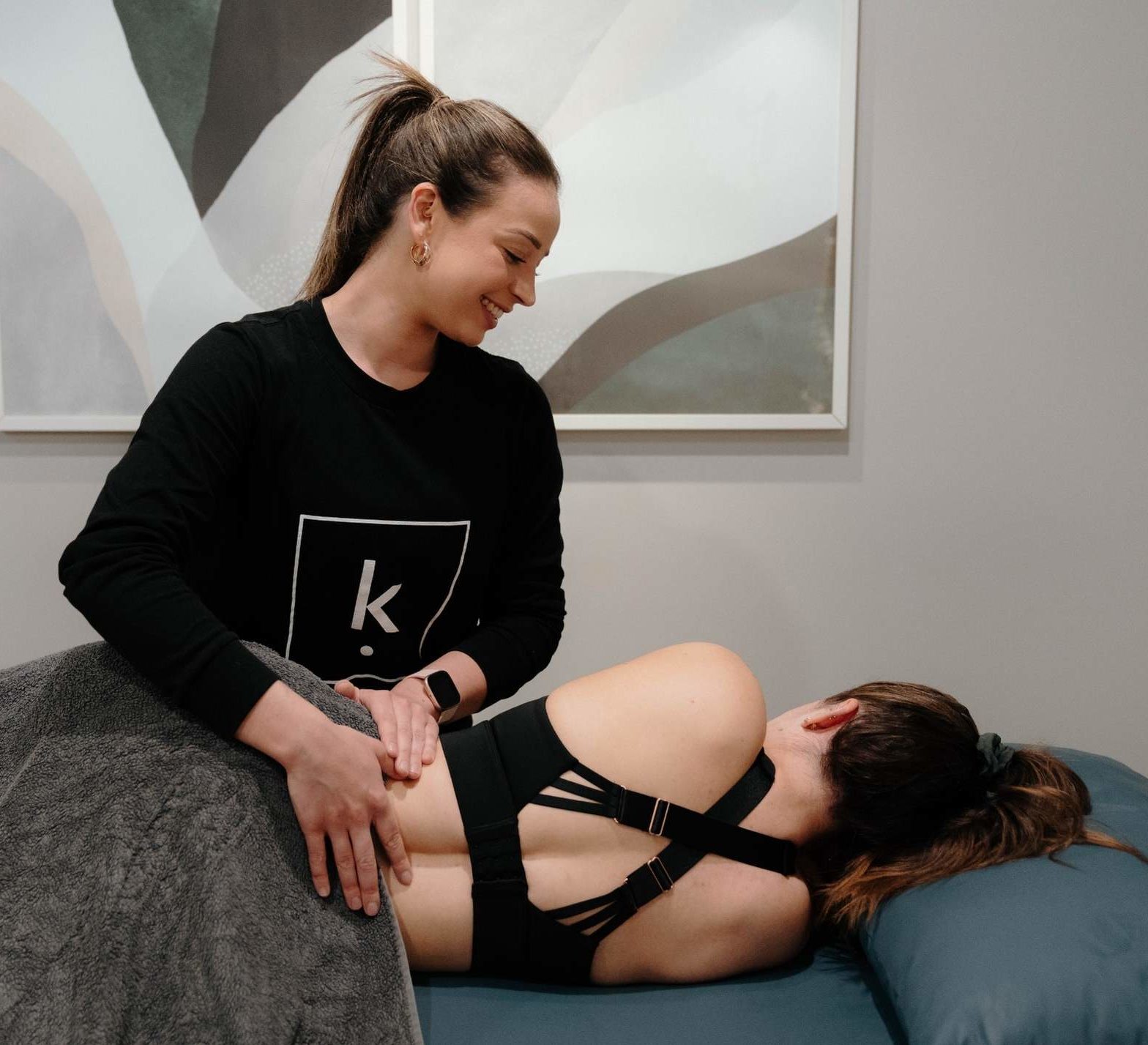
Sophie Barker
Sophie has completed further training in Women’s Health and enjoys supporting women across all stages of life. She works holistically with clients experiencing pelvic floor dysfunction, prolapse, bladder and bowel incontinence, as well as those seeking guidance through pre- and post-natal care or wanting to safely return or begin to exercise. Sophie is passionate about empowering women with education, reassurance and evidence-based care.
In her treatments at Kinematics, Sophie utilises a combination of hands-on manual therapy techniques, including soft tissue release, trigger point therapy, dry needling and cupping, alongside targeted therapeutic exercise to improve mobility, stability and strength. She has a particular passion for Clinical Pilates and thrives when guiding clients through this approach to build confidence, control and long-term movement resilience.
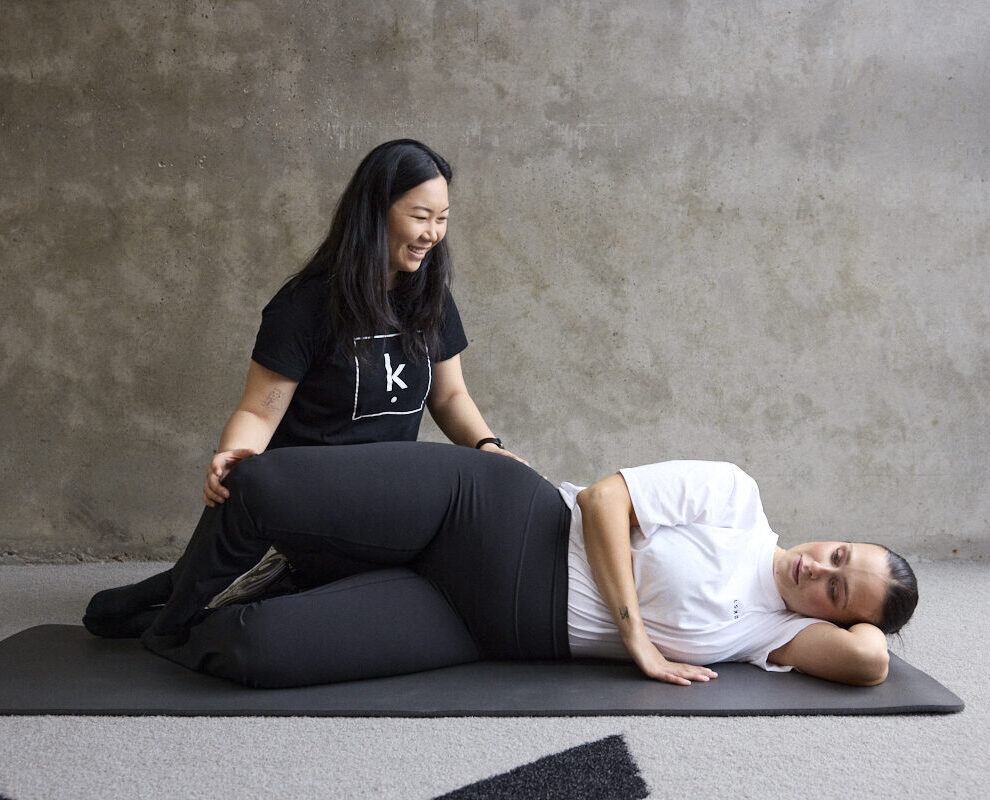
Susan Liu
She has also completed further postgraduate study in women’s health, earning a Graduate Certificate in Pelvic Floor Physiotherapy from The University of Melbourne. With a strong interest in hip, pelvis, and knee conditions, Susan is well equipped to manage a broad range of women’s health presentations, including complex pain, pre- and post-natal care, pelvic floor dysfunction, and incontinence.
Susan likes to treat with a combination of manual therapy and resistance training to achieve the best outcome for her patients. Her passion lies within promoting movement and function in her patients through the utilisation of therapeutic exercise such as Clinical Pilates +/or functional gym training to achieve their goals.

Dr. Jim Webb
Dr Jim Webb is an experienced Physiotherapist, Osteopath and Digestive Health Practitioner with over 20 years of clinical and leadership experience across the UK, New Zealand and Australia. As Head of Clinical Development at Kinematics, he brings a depth of expertise in managing complex, multi-system presentations — including conditions where pelvic, hormonal and musculoskeletal factors intersect. His clinical work places a strong emphasis on trauma-informed care, persistent pain, and functional rehabilitation, all of which are highly relevant to women’s health presentations such as chronic pelvic pain, post-partum recovery and pelvic floor-related dysfunction.
Your appointment includes a thorough assessment of your posture, pelvis, and pelvic floor function. Where appropriate, we use our high-definition Clarius ultrasound to assess pelvic floor muscle strength, endurance, coordination, and relaxation in real time.
Following your assessment, we’ll develop a tailored treatment and rehabilitation plan that aligns with your symptoms, lifestyle, and goals.
Where appropriate, we use our high-definition Clarius ultrasound to assess pelvic floor muscle strength, endurance, coordination, and relaxation in real time.
This technology allows us to:
- Observe pelvic floor muscle activation without an internal vaginal assessment
- Assess bladder capacity and function
- Provide clear, visual feedback to support rehabilitation progress
This non-invasive approach can be particularly helpful for those who are early post-partum, feeling apprehensive about internal assessment, or simply prefer an alternative method of evaluation.
Our Women’s Health Physiotherapists also offer pessary fittings.
A pessary is a removable device inserted into the vagina to provide structural support for pelvic organs. It is commonly used in the management of pelvic organ prolapse, which occurs when the fascia and connective tissues supporting the bladder, uterus, or bowel are damaged, allowing one or more organs to descend into the vaginal space.
During a pessary appointment, we perform a thorough assessment to determine whether a pessary is appropriate for you and to prescribe the correct type and size. Pessaries can be an excellent option for those wishing to avoid surgery, remain active, or manage symptoms while awaiting gynaecological review.
No referral is required to see a women’s health physiotherapist at Kinematics. You can book directly with us. If you’re unsure whether this service is right for you, our team is always happy to discuss your symptoms and answer any questions before booking.
Women’s health physiotherapy focuses on the assessment and treatment of conditions related to the pelvic floor, pelvis, core, and postural system. It supports women through pregnancy, post-partum recovery, and at any stage of life where pelvic health concerns arise. At Kinematics, our approach combines expert clinical care with education, reassurance, and tailored rehabilitation to help you feel confident in your body.
Women’s health physiotherapy can help manage a wide range of concerns, including bladder or bowel incontinence, pelvic floor weakness or overactivity, pelvic organ prolapse, pelvic pain, pregnancy-related discomfort, and post-partum recovery. It can also support safe return to exercise and sport following pregnancy or pelvic injury.
No, an internal vaginal assessment is not always required. At Kinematics, we use a high-definition real-time ultrasound to assess pelvic floor muscle strength, coordination, and relaxation without an internal examination. If an internal assessment is clinically appropriate, it will always be discussed with you first, and your comfort and consent are prioritised at every stage.
Yes. Women’s health physiotherapy can play an important role in managing pelvic organ prolapse. Treatment may include pelvic floor muscle rehabilitation, education around symptom management, posture and load strategies, and guidance on exercise modification. Women's health physiotherapy can significantly reduce symptoms and improve quality of life.
You can see a women’s health physiotherapist as early as 2–3 weeks post-partum. Early appointments often focus on reassurance, education, and gentle assessment of pelvic floor function, posture, and recovery. This early support can help identify any concerns, guide safe movement, and set a strong foundation for longer-term recovery and return to exercise